Civics in Action
Learning to Make a Difference
At Nature Links, we believe education is most powerful when it leads to action. In this winter’s unit, Civics and Nature, we don’t just study government and policy; we explore how these systems shape communities, influence the environment, and create real opportunities for impact. Through this unit, we understand how local decisions, national policies, and global events intersect with the world around us —and how we can take informed action in response.
Civics matters to our mission because understanding how decisions are made—and who makes them—helps us more thoughtfully engage with the world around us. Policies shape our communities, protect (or fail to protect) public lands, and influence environmental stewardship. By pairing civics with nature-based learning, we make these systems tangible. We can see that our voices and actions can have a real-world impact.
Each week, we dive into a different topic that connects civics to both local and global contexts:
Global Tensions and Current Events: We examine issues such as the dynamics among countries like Iran, Cuba, and Venezuela. We explore the language of headlines—“crisis,” “threat,” “escalation”—and consider how the media shapes public understanding.
Policy and Systems Advocacy: We analyze how policies are created and updated, learning to identify what works in government systems and what doesn’t. Students explore strategies for advocacy, including understanding audiences, building coalitions, and navigating lobbying—practical tools for influencing change.
Cultural Identity and Traditions: Civics isn’t just about laws—it’s also about community. We examine cultural traditions, like Lunar New Year and the symbolism of the Year of the Horse, and consider how identity, shared history, and tradition shape civic life.
International Events as Civic Lenses: Using the 2026 Winter Olympics as a case study, students investigate how countries use global events to express identity, strengthen alliances, and exercise soft power, showing that civics extends beyond local government into the international stage.
Systems Thinking Through Nature: We explore natural systems, such as how bees help scientists identify patterns, and see how these insights have influenced human innovation, such as the development of the internet. This approach helps us connect environmental systems with societal systems, understanding the interdependencies that shape both.
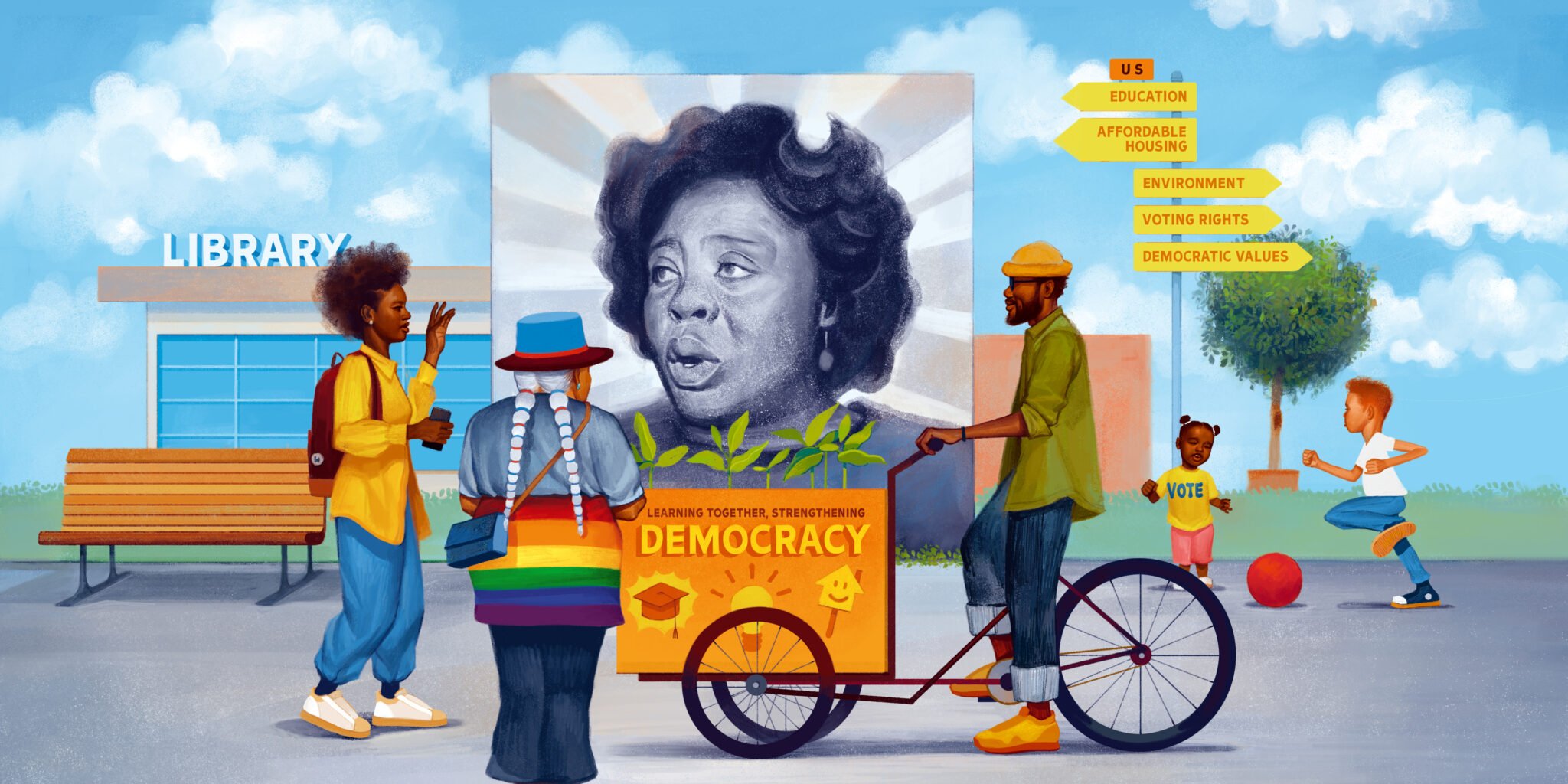
Photo courtesy of the The Southern Poverty Law Center, February 2026
These topics spark lively, reflective conversations. Together, we explore questions like, Who has a voice in this system? How can citizens influence change? What responsibilities do we have to our communities and the environment? We debate, share personal perspectives, and practice connecting abstract concepts to our own experiences.
Through Civics and Nature, we collectively gain more than knowledge; we gain agency. Together, we learn that understanding societal and environmental systems equips us all to make more informed choices, to engage meaningfully in our communities, and to contribute to positive change. In doing so, we are cultivating not only awareness but also action, empowering each of us to become thoughtful citizens and stewards of the world around us.
