
From Predator to Pet
Why does one animal sleep in our bed while another gets chased out of the neighborhood?
We've spent a lot of time talking about animals at Nature Links. But lately, we've been less interested in simply learning about animals and more interested in understanding how humans decide what we think about them.
Coyotes are dangerous. Bats are creepy. Vultures are gross. Snakes are scary.
Dogs are family.
But...why?
Our learners have investigated some of the animals people love to blame, fear, remove, or simply misunderstand, from coyotes and rattlesnakes to bats, vultures, feral hogs, and swans. We've looked at what these animals actually do, the role they play in an ecosystem, where our fears come from, and what happens when humans and wildlife need the same space.
Then we turned the question around.
Dogs descended from wolves, yet today we buy them sweaters and let them sleep under our blankets. Cats were once wild predators—and somehow ended up ruling our homes. So did humans choose them? Did they choose us? And why did some animals cross that invisible line from wild animal to beloved companion while others became villains?
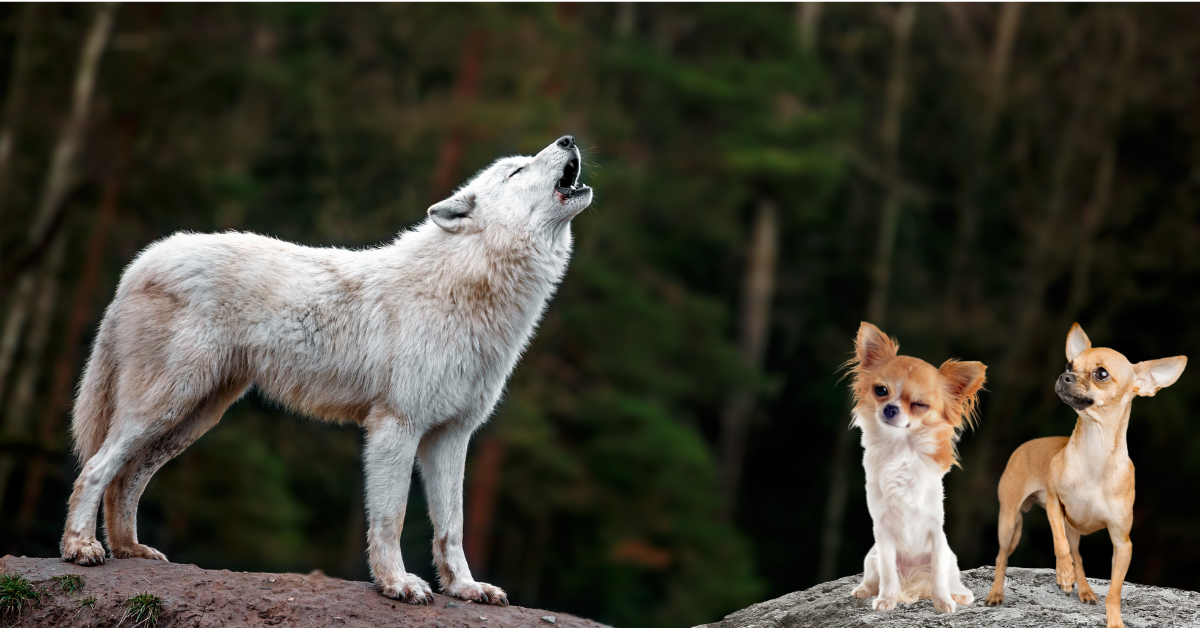
You’re telling me these guys are related?!
Those questions have led to conversations about domestication, conservation, fear, culture, coexistence, and even whether humans should continue domesticating other species.
Most importantly, we're learning to notice our assumptions.
Because sometimes the story we tell about an animal says as much about us as it does about the animal.
Nature Links has long used animals to understand ecosystems and our responsibility within them. Now we're taking that curiosity one step further: asking not only what does this animal do?, but who taught us how to feel about it, and were they right?
What do you think? Leave a comment below!
