When the Weather Doesn't Follow the Rules
Learning to live in a world that's changing
What happens when the weather we grew up with isn't the weather we can expect anymore?
That's the question that has taken our Nature Links weather conversations in a surprising direction. We started by learning about storms, floods, fires, and other extreme weather. But pretty quickly, our questions got bigger: What happens when the past can't always tell us what to expect next? How do we prepare for something we've never experienced before?
We've followed real events around the world, from flash floods in Nepal and wildfires in Washington, to melting glaciers in China, and rapidly rising water. Instead of simply asking what happened?, we've been asking why, what warnings people had, who was responsible for keeping people safe, and what communities can do differently next time.
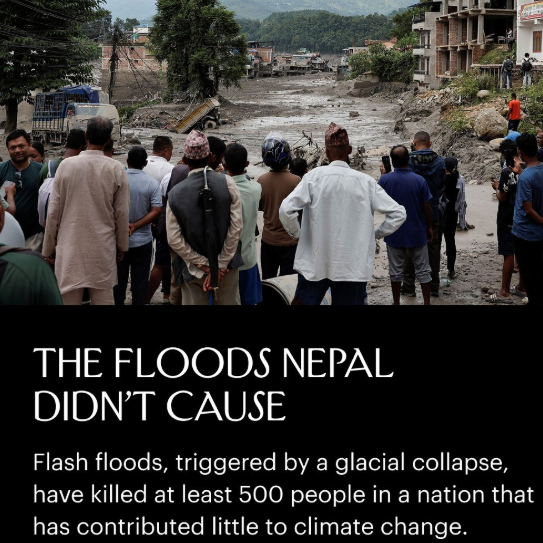
In our classes, we look at news articles, like this one from The New Yorker to understand who - if anyone? - has a responsibility when climate change causes casualties.
And we've discovered that understanding a changing climate isn't only about understanding science. It's also about communication, community supports, emergency planning, government, individual choices, and who has access to the information and resources they need to stay safe.
That has led us to one of our biggest questions yet: Are we preparing for unusual weather, or preparing for a new normal?
There isn't always an easy answer. That's part of the learning.
In our classes, we’re not just learning facts and dates. We're practicing something we may all need more of in a changing world: noticing what's happening, asking better questions, understanding what is within our control, and figuring out how people and communities can adapt together.
